Review

Coronary Intervention in Kawasaki Disease

Gwang-Jun Choi1https://orcid.org/0000-0001-5847-2965, Jinyoung Song1,*https://orcid.org/0000-0002-9660-5949
Author Information & Copyright
1Division of Cardiology, Department of Pediatrics, Heart Vascular Stroke Institute, Samsung Medical Center, Sungkyunkwan University School of Medicine, Seoul, Korea
*Corresponding author: Jinyoung Song, Division of Cardiology, Department of Pediatrics, Heart Vascular Stroke Institute, Samsung Medical Center, Sungkyunkwan University School of Medicine, 81 Irwon-ro, Gangnam-Gu, Seoul, Korea, E-mail: amyjys@naver.com

ⓒ Copyright 2025 Korean Society of Kawasaki Disease. This is an Open-Access article distributed under the terms of the Creative Commons Attribution Non-Commercial License (http://creativecommons.org/licenses/by-nc/4.0/) which permits unrestricted non-commercial use, distribution, and reproduction in any medium, provided the original work is properly cited.

Received: May 03, 2025; Revised: Aug 02, 2025; Accepted: Aug 24, 2025

Published Online: Dec 31, 2025

Abstract

Kawasaki disease (KD) is an acute febrile illness of childhood that can lead to coronary artery aneurysms (CAAs), increasing the risk of thrombosis, stenosis, myocardial infarction (MI), and long-term cardiovascular events. Coronary complications are associated with giant aneurysms, male sex, and resistance to immunoglobulin therapy. MI symptoms are often non-specific, especially in young children, with the highest risk occurring within three months after disease onset. Revascularization strategies, adapted from adult acute coronary syndrome guidelines, include primary percutaneous coronary intervention (PCI), thrombolysis, and coronary artery bypass grafting (CABG), depending on timing, anatomy, and patient size. PCI is often challenging in this population due to small vessel size, heavy calcification, and luminal proliferation. Available treatment options include balloon angioplasty, stent implantation, rotational atherectomy, and intravascular lithotripsy. Balloon angioplasty in KD patients requires caution due to the risk of neo-aneurysm formation, particularly with high-pressure balloon dilatation. Thrombolysis remains an important option when PCI is not feasible. CABG, particularly using arterial grafts, offers excellent long-term patency and remains preferred for complex disease. Although PCI has higher re-intervention rates, long-term survival after PCI and CABG is comparable. Tailored approaches considering lesion complexity, hemodynamics, and patient-specific factors are essential in managing coronary complications in KD.

Keywords: Mucocutaneous Lymph Node Syndrome; Coronary Artery Disease; Myocardial Infarction; Catheterization

Introduction

Kawasaki disease (KD) is a self-limited acute febrile illness with an unclear etiology, primarily affecting children under five years of age [1]. Coronary artery aneurysms (CAAs) may occur in up to 25% of patients if KD is left untreated [1]. The overall prevalence of CAAs after KD has been reported to be 1.7%–3.2% [24]. Giant CAAs with a diameter greater than 8 mm were identified in 0.09%–0.16% of patients after KD [4,5]. In KD, intimal thickening and calcification may occur at the sites of coronary aneurysms, and luminal myofibroblastic proliferation has been proposed as a potential mechanism for progressive stenosis [6,7]. Changes in flow hemodynamics within CAAs, along with endothelial dysfunction, increase the risk of thrombus formation in patients with KD [8]. Thus, coronary events—including myocardial ischemia due to coronary artery thrombosis, stenosis, or occlusion—can occur in patients with KD during follow-up [9,10]. The risk of coronary events was associated with large CAAs, male sex, and resistance to intravenous immunoglobulin therapy [11]. Symptoms of Myocardial infarction (MI) are often non-specific and difficult to identify, especially in children or infants [1]. Symptoms may include poorly localized pain, unexplained crying, pallor, sweating, and restlessness [1]. In patients with KD and CAAs, the risk of MI peaks within 2 to 3 months after disease onset [1]. Overall, MI occurred in 0.08% of patients with KD in a Taiwanese study [12]. The 10-year survival rate of patients with KD who experienced MI has been reported to be 84.6% [13]. Patients with a reduced left ventricular ejection fraction had significantly worse outcomes, with a 25-year survival rate of 55.3% [13].

Main Subject

1. Indication for coronary revascularization

The indications for coronary revascularization in KD guidelines were extrapolated from the evidence presented in adult acute coronary syndrome (ACS) guidelines. The American Heart Association (AHA) KD guidelines recommend primary percutaneous coronary intervention (PCI) for patients with ST-elevation myocardial infarction (STEMI) who present to an experienced cardiac catheterization laboratory within 90 minutes [1]. Emergent PCI was recommended for acute MI within 12 hours of onset according to the Japanese Circulation Society (JCS) KD guideline [14]. The discrepancy in time frames between the AHA and JCS KD guidelines stems from the use of different reference points: the AHA KD guidelines base their recommendation on the time from first medical contact, whereas the JCS guidelines use the time from symptom onset. The JCS guidelines also emphasize the importance of timely intervention, recommending primary PCI within 2 hours of hospital arrival. For patients with small body size or those who arrive beyond the recommended time window, systemic thrombolysis or coronary artery bypass grafting (CABG) is recommended [1,14]. Real-world data from Japan suggest that, compared to patients with acute MI primarily due to atherosclerosis, those with KD-associated acute MI were more likely to undergo bypass graft surgery or thrombolysis rather than PCI, with similar in-hospital mortality rates between the two groups [15].

In patients with non-ST-elevation ACS, both the European Society of Cardiology (ESC) and AHA/ACC guidelines recommend determining the invasive strategy based on the patient’s risk profile [16,17]. According to the ESC guidelines for ACS, PCI is considered in stable coronary artery disease when symptoms are not controlled with optimal medical therapy, or when high-risk anatomical features—such as left main disease, three-vessel disease, or proximal left anterior descending disease—are present along with documented ischemia or hemodynamically significant lesions (fractional flow reserve (FFR) ≤ 0.80, instantaneous wave-free ratio (iwFR) ≤ 0.89, or major coronary vessel stenosis > 90%) [17]. The KD guidelines from the JCS also recommend using FFR or iwFR to determine the indication for revascularization when ischemia is not detected by conventional non-invasive tests [14].

2. Percutaneous coronary interventions

Conventionally reported catheter-based treatment options include percutaneous coronary balloon angioplasty, stent implantation, and rotational ablation [18]. The relatively small size of patients presents a challenge for PCI. Additionally, luminal myofibroblastic proliferation and heavy calcification serve as further obstacles to PCI in patients with KD [19]. The following are currently available treatment options for coronary revascularization via PCI.
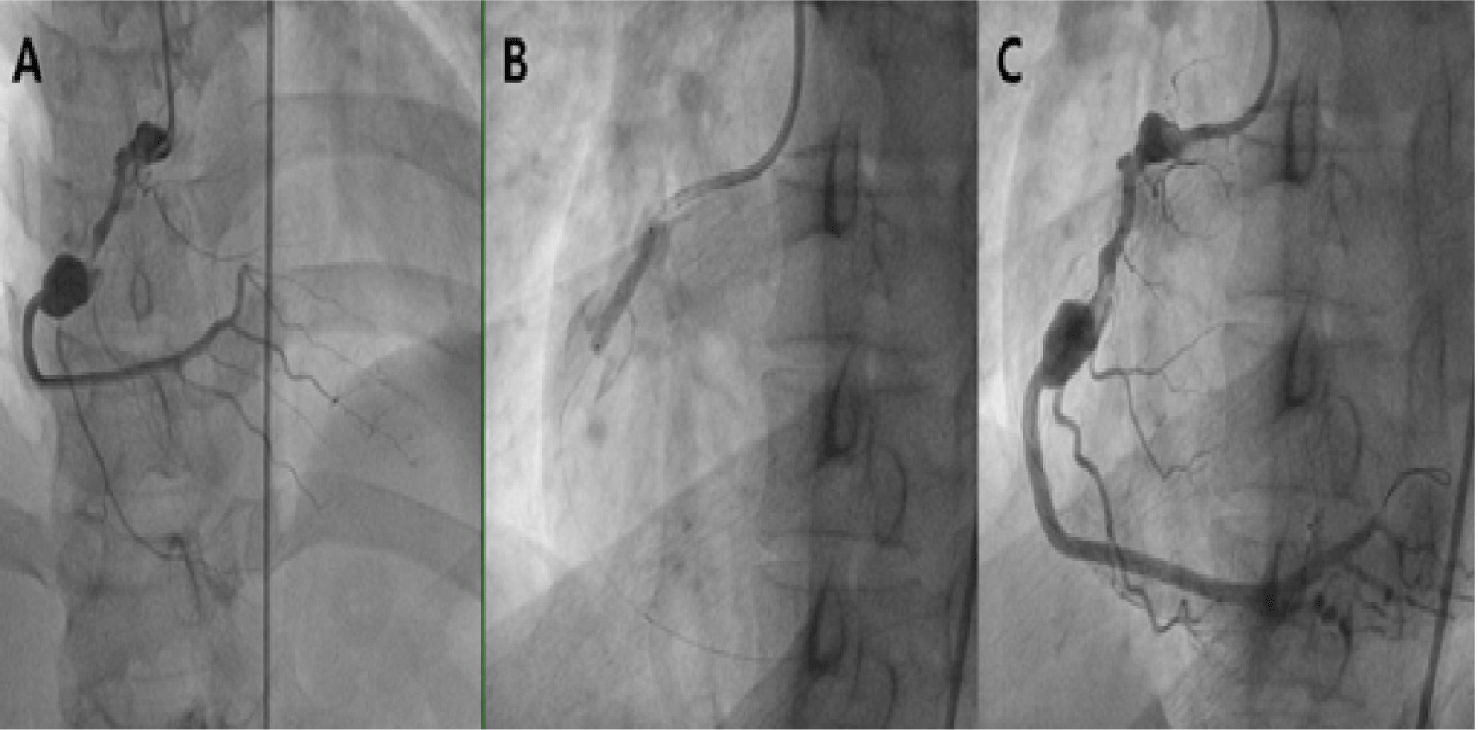
1) Percutaneous transluminal coronary angioplasty (Fig. 1)
kd-3-2-14-g1
Fig. 1. Percutaneous transluminal coronary angioplasty in a patient with Kawasaki disease. A. Coronary angiography revealed a giant right coronary artery aneurysm with severe stenosis (> 90%). B. Balloon angioplasty was performed using 2.5 mm and 3.5 mm diameter balloons. C. Post-procedural angiography showed improved luminal diameter with minimal residual stenosis (< 20%).
Download Original Figure

Percutaneous transluminal coronary angioplasty (PTCA) in KD has been reported in the literature since 1988 [18,2022]. The success rate of PTCA has been reported to be 74%–87% [18,23,24]. While most reports utilized plain old balloon angioplasty, there have been successful cases employing drug-coated balloons or cutting balloons with or without adjunctive rotational atherectomy or excimer laser atherectomy [2528]. A longer time interval between KD onset and PTCA has been identified as a factor associated with procedural failure [18,22]. Although the pathogenesis of neo-aneurysm formation remains unclear, high-pressure balloon dilatation should be used with caution, as it may contribute to its development [19,21]. Akagi et al. recommended using coronary balloon dilatation at pressures below 10 Atmospheric pressure (ATM), as cases of neo-aneurysm formation were reported following balloon dilatation at pressures of 10 ATM or higher [18,29]. The restenosis rate identified during follow-up after PTCA was 24% [18]. Therefore, restenosis should be carefully monitored after PTCA.
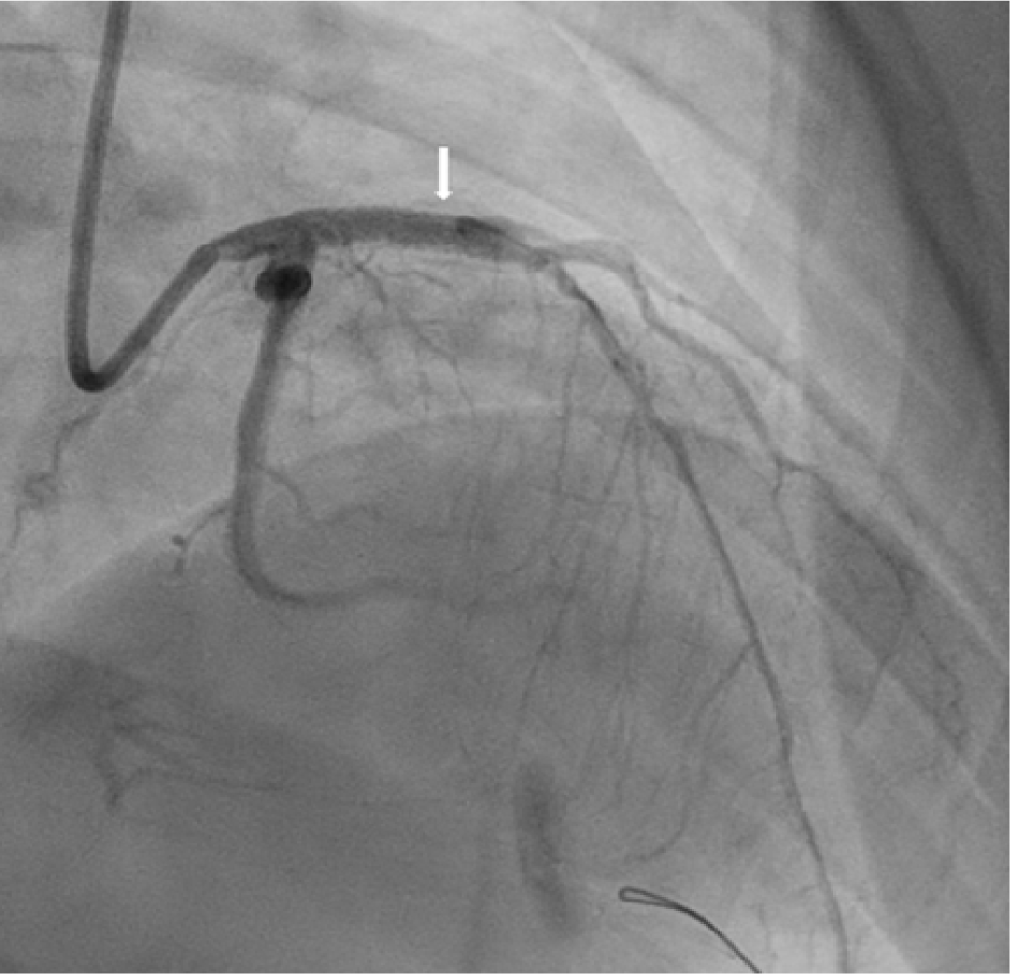
2) Coronary stent implantation (Fig. 2)
kd-3-2-14-g2
Fig. 2. Coronary stent implantation. The figure shows coronary stent implantation in a patient with severe left anterior descending artery stenosis after rotational ablation and balloon angioplasty. The white arrow indicates the coronary stent.
Download Original Figure

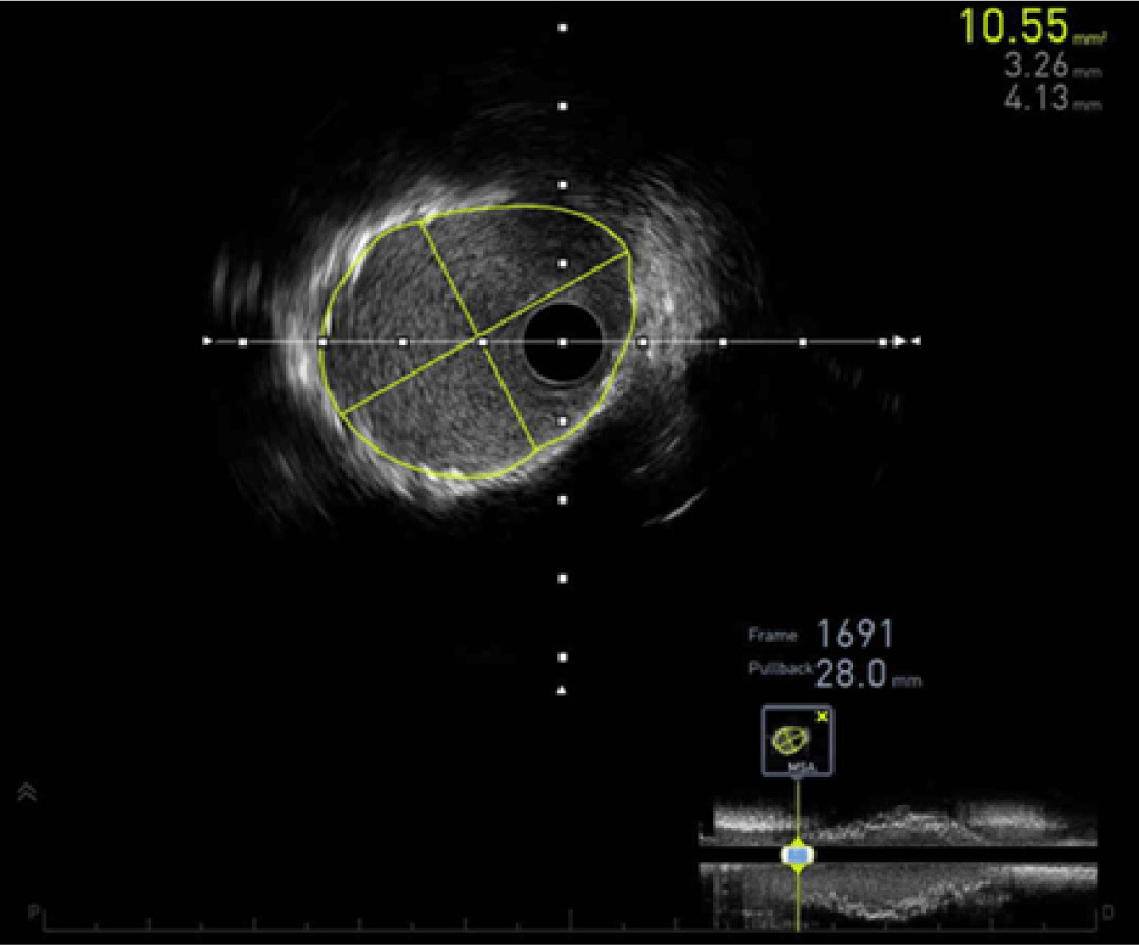
In patients with KD, the immediate procedural success rate of stent implantation has been reported to range from 86% to 100% in a limited number of cases [18,23,24,3032]. Bare-metal stents, drug-eluting stents (DES), and covered stents have been used [18,23,24,3032]. The large diameter of CAAs makes safe stent deployment challenging and increases the risk of stent migration in KD-associated coronary lesions [19,33]. Intravascular imaging, using either intravascular ultrasound (Fig. 3) or optical coherence tomography, is crucial for guiding treatment, as thrombus can obscure the true vessel diameter, potentially resulting in undersizing or improper stent placement [19]. Coronary stent implantation was widely regarded as a potential strategy to reduce restenosis and preserve coronary patency after balloon angioplasty [34]. However, a review of the literature revealed that late outcomes following coronary stent implantation were unsatisfactory, with adverse events occurring in 68% of cases, including complete occlusion, restenosis, stent migration, and new aneurysm formation [32]. Accordingly, the JCS guidelines advise against primary coronary stenting in this population [14].
kd-3-2-14-g3
Fig. 3. Intravascular ultrasound in a patient with a coronary artery lesion related to Kawasaki disease. The image shows a diffusely encircling calcified plaque in the left anterior descending artery.
Download Original Figure
3) Percutaneous transluminal coronary rotational ablation

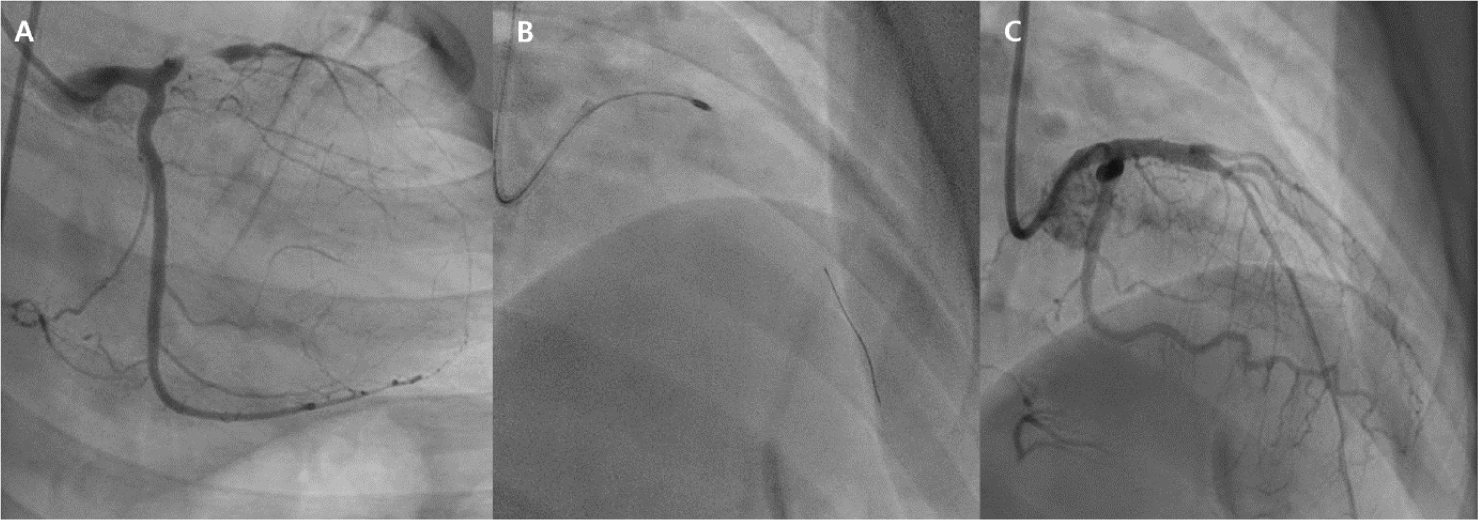
As KD-associated coronary lesions often involve heavy calcification, percutaneous transluminal coronary rotational ablation (PTCRA) has been performed to address these issues [34]. The device features a diamond-coated burr that spins at high speeds (up to 180,000–200,000 revolutions per minute), grinding and breaking down calcified plaque into micro-particles smaller than red blood cells (Fig. 4) [35]. Procedural success rate for the PTCRA has been 93%–100% [18,23,24,26,34,36]. Burr sizes range from 1.25 to 2.5 mm, and the recommended guiding catheter size ranges from 6 to 10 French. Due to the small femoral artery size in small patients, the available burr size is limited, which may affect vessel patency after the procedure [37]. The overall 20-year patency rate was 77% among patients older than 10 years at the time of the procedure [37]. As with other procedures, post-dilation with a balloon at pressures greater than 10 ATM should be avoided due to the risk of neo-aneurysm formation [14]. Although the number of cases was limited, satisfactory results of repeated PTCRA for restenosis have also been reported [37,38]. The JCS guidelines have recommended the use of PTCRA as an appropriate treatment option for calcified stenotic lesions [14]. In addition to PTCRA, a few reports have described the use of excimer laser coronary angioplasty in KD patients as a method for reducing plaque burden in cases of restenosis following stent implantation or complete occlusion [27,39,40].
kd-3-2-14-g4
Fig. 4. Percutaneous transluminal coronary rotational ablation. A. The coronary angiogram revealed severe stenosis (95%) with heavy calcification in the proximal left anterior descending artery. B. The image shows rotational ablation for severe stenosis with calcification; the black arrow indicates the burr. C. After rotational ablation and implantation of a 3.5 × 16 mm Synergy stent, there was no residual stenosis or dissection on the immediate angiogram.
Download Original Figure
4) Intravascular shockwave lithotripsy

It is often difficult to sufficiently dilate heavily calcified lesions with conventional balloons or stents [41,42]. Also, the use of high-pressure balloons has been associated with neo-aneurysm formation in KD patients [19]. PTCRA may address calcified lesions as mentioned above; however, it is limited to superficial calcium, and deeply seated calcium may be difficult to affect [41,42]. Intravascular lithotripsy can now be used to disrupt calcium in the coronary arteries using sonic pressure waves [41,42]. The energy is delivered through a semi-compliant balloon at low pressure [41]. There was a report of successfully managed KD-related right coronary artery (RCA) stenosis with heavy calcification that was unresponsive to previous PCI with PTCRA and multiple balloon angioplasties, including cutting balloon angioplasty [43]. It is expected to be a useful treatment option for PCI in patients with KD-related coronary arteries with heavy calcification.

3. Thrombolysis

Thrombolysis using fibrinolytic therapy is a valuable tool in managing MI related to KD, especially in cases where catheter-based interventions are limited due to the small size of pediatric patients. Theoretically, KD-related ACS is primarily caused by thrombus formation, making thrombolytic therapy a potentially effective treatment option [14]. Serious hemorrhagic events have been reported to be less common in children following thrombolytic therapy [44]. Fibrinolytics can be administered either systemically or via direct infusion into the affected coronary artery through selective coronary catheterization. Although there is a case report of an infant with STEMI in whom intravenous thrombolysis was ineffective but intracoronary infusion proved successful, it remains unclear whether intracoronary or intravenous thrombolysis is superior, and further research is needed to determine the optimal approach [44,45]. In the literature, thrombolytic treatment for ACS associated with KD has been reported to be successful in approximately 47%–67% of patients [23,4648]. According to the AHA KD guidelines, fibrinolytic therapy is recommended when PCI is not feasible or if the time to PCI exceeds 90 minutes [1]. The JCS KD guidelines recommend systemic thrombolysis when PCI cannot be performed within 12 hours of symptom onset and within 2 hours of hospital arrival [14].

4. Coronary artery bypass graft surgery

CABG is recommended in ACS patients with multivessel disease or left main disease, considering lesion complexity and patient comorbidities [14,16]. CABG is the treatment of choice for patients with a history of MI, impaired left ventricular function, or coronary lesions not amenable to PCI [14]. The patency of arterial grafts, such as the internal thoracic artery (ITA), radial artery and gastroepiploic artery, is significantly superior to that of saphenous vein grafts [4951]. Even when CABG was performed in patients younger than 12 years, the 10-year patency rate of the ITA graft remained at 94.4% with appropriate patient selection and the use of PTCA for anastomotic stenosis [52]. Studies comparing outcomes between PCI and CABG in patients with KD have shown no significant differences in survival, although re-intervention rates were higher in the PCI group [53,54]. At 30 years, the survival rate was 93% for patients who underwent single CABG and 91% for those who underwent multiple CABG [50].

5. Clinical experience with PCI in KD patients at our institution

From 1998 to 2023, we performed 13 coronary revascularization procedures in 11 patients at our institution. Demographic and angiographic characteristics of patients with aneurysms are summarized in Table 1. The majority were male (n = 8, 72%), and the median age at KD onset was 3.7 years (range, 1.7–6.0 years). Aneurysms involved various coronary segments, most commonly the RCA and the left anterior descending artery (LAD). Giant aneurysms, defined as ≥ 8 mm in diameter, were identified in 7 of the 11 patients (63%). Most patients received dual antiplatelet therapy or a combination of warfarin and aspirin. Procedural data are summarized in Table 2. The median age at the time of the procedure was 10.1 years (range: 3.9–40.6 years). The treated coronary arteries included the RCA in 9 cases, followed by the LAD in 4 cases, the left circumflex artery in 1 case, and the bypass graft anastomosis site in 1 case. Six patients underwent PTCA, including one case involving stenosis at the anastomosis site of a bypass graft. The median follow-up duration after the PCI was 2.9 years (range, 0.7–13.7 years). All PTCA procedures were immediately successful. Although no neo-aneurysm formation was identified on follow-up imaging, interpretation is limited by the short follow-up duration and the lack of imaging data in a substantial proportion of patients (4 of 11). One patient (17%) developed a dissection post-PTCA. Another patient (17%) experienced restenosis of the RCA six months after initial PTCA, requiring repeat PTCA and DES implantation. The restenosis rate after PTCA (1 of 6, 17%) was comparable to that reported in a previous study (24%) [18]. Four patients underwent DES implantation initially—three following PTCA and one PTCRA. One patient (25%) developed total occlusion of the RCA eight months after stent implantation and underwent successful PTCRA. In total, three patients underwent PTCRA, all with immediate procedural success. Two deaths (18%) were recorded during the follow-up period: one unrelated to coronary artery disease and the other in a patient with severe ventricular dysfunction.

Table 1. Demographics of patients with kd who underwent percutaneous coronary intervention
Patient Sex KD onset (years) Age at intervention (years) Aneurysm locations Aneurysm diameters (mm) Aneurysm types Medications
1 M 4 40.6 LAD 10 Giant DAPT
2 M 2.4 11.4 LAD, RCA LAD 5.9 Fusiform DAPT
3 M 3.7 21.2 LAD, RCA LAD 7.7 Proximal RCA 10. Mid RCA 8.7 Giant Warfarin, aspirin
4 M 6.0 7.9 RCA, LCx RCA 7.4 LCx 5.5 Fusiform Saccular Aspirin
5 F 1.7 14.6 LAD, RCA, LCx Not available Giant Warfarin, Aspirin
6 M Unknown 18.6 LMCA, RCA LMCA 5.8 RCA 8.5 Fusiform Giant Aspirin
7 M 5.7 10.0 RCA 5.2 Fusiform DAPT
17.6
8 M 2.0 5.2 RCA LAD RCA 8 LAD 3.9 Giant Fusiform DAPT
9 M 4.1 5.9 LMCA-LAD RCA 15.7 10.8 Giant Warfarin Aspirin
6.5
10 F Unknown 10.1 LMCA-LAD RCA LMCA 7.2 RCA 5.8 Fusiform DAPT
11 F 2.5 3.9 RCA Proximal 6.5 Mid 9.6 Giant Aspirin Warfarin

KD: Kawasaki disease; M: male; F: female; LAD: left anterior descending artery; DAPT: dual antiplatelet therapy; RCA: right coronary artery; LCx: left circumflex artery; LMCA: left main coronary artery.

Download Excel Table
Table 2. Outcomes of percutaneous coronary interventions in patients with Kawasaki disease
Patient Procedure Treated lesion Balloon size (mm) Stent size (mm) Burr size (mm) Cx Success Reintervention Neoaneruysm Survival F/U duration after PCI
1 PTCA Stent LAD 3.5–4.5 DES 4.0 × 32 N/A No Yes No No Yes 1.4
2 PTCRA Stent LAD 2.5 DES 3.5 × 16 1.5 No Yes No NA Yes 2.9
3 PTCA RCA 2.0–3.5 N/A N/A No Yes No No Yes 5.5
4 PTCA RCA 2.5–4.0 N/A N/A No Yes No No Yes 8.5
5 PTCRA LCx N/A N/A 1.5–2.0 No Yes No No No 1.8
6 PTCA BGA 2.5–3.0 N/A N/A No Yes No No F/U loss 10.0
7 PTCA Stent RCA 3.0 DES 3.0 × 24 N/A No Yes Yes No F/U loss 0.8
PTCA PTCRA RCA 3.5 N/A 1.75 No Yes No No
8 PTCA LAD RCA 3.0–LAD 3.0–4.0 RCA N/A N/A Type B RCA dissection Yes No NA Yes 13.7
9 PTCA RCA 2.5 N/A N/A No Yes Yes No F/U loss 7.2
PTCA Stent RCA Restenosis 2.5–3.0 N/A N/A No Yes No No
10 PTCA Stent LAD 2.0 DES 2.75 × 13 N/A No Yes No NA No 0.7
11 PTCA RCA 2.0–2.5 N/A N/A No Yes No NA F/U loss 6.9

Cx: complications; PCI: percutaneous coronary intervention; PTCA: percutaneous transluminal coronary angioplasty; DES: drug-eluting stent; PTCRA: percutaneous transluminal coronary rotational ablation; LAD: left anterior descending artery; RCA: right coronary artery; LCx: left circumflex artery; BGA: bypass graft anastomosis; NA: not available; N/A: not applicable; F/U: follow-up.

Download Excel Table

Conclusion

KD can lead to CAAs, stenosis, and MI, necessitating careful long-term cardiovascular management. In KD patients with coronary artery disease, revascularization strategies—including PCI, thrombolysis, and CABG—are selected based on lesion characteristics, patient age, hemodynamic stability, and timing of presentation. Newer modalities of PCI, such as intravascular lithotripsy, have been introduced to overcome the challenge of heavy calcification in KD-related coronary lesions.

Conflict of Interest

No potential conflict of interest relevant to this article was reported.

Funding

No funding source relevant to this article was reported.

Acknowledgements

Not applicable.

Authors’ Contributions

Conceptualization: Song J.

Data curation: Choi GJ.

Writing - original draft: Choi GJ.

Writing - review & editing: Choi GJ, Song J.

Ethics Approval

Not applicable.

References

1.

Jone PN, Tremoulet A, Choueiter N, Dominguez SR, Harahsheh AS, Mitani Y, et al. Update on diagnosis and management of Kawasaki disease: a scientific statement from the American Heart Association. Circulation. 2024; 150:e481-500

2.

Kim GB, Park S, Eun LY, Han JW, Lee SY, Yoon KL, et al. Epidemiology and clinical features of Kawasaki disease in South Korea, 2012–2014. Pediatr Infect Dis J. 2017; 36:482-5

3.

Okubo Y, Nochioka K, Sakakibara H, Testa M, Sundel RP. National survey of pediatric hospitalizations due to Kawasaki disease and coronary artery aneurysms in the USA. Clin Rheumatol. 2017; 36:413-9

4.

Kim GB, Eun LY, Han JW, Kim SH, Yoon KL, Han MY, et al. Epidemiology of Kawasaki disease in South Korea: a nationwide survey 2015–2017. Pediatr Infect Dis J. 2020; 39:1012-6

5.

Masuda H, Ae R, Koshimizu T, Matsumura M, Kosami K, Hayashida K, et al. Epidemiology and risk factors for giant coronary artery aneurysms identified after acute Kawasaki disease. Pediatr Cardiol. 2021; 42:969-77

6.

Friedman KG, Newburger JW. Coronary stenosis after Kawasaki disease: size matters. J Pediatr. 2018; 194:8-10

7.

McCrindle BW, Rowley AH, Newburger JW, Burns JC, Bolger AF, Gewitz M, et al. Diagnosis, treatment, and long-term management of Kawasaki disease: a scientific statement for health professionals from the American Heart Association. Circulation. 2017; 135:e927-99

8.

Cheung YF. Vascular health late after Kawasaki disease: implications for accelerated atherosclerosis. Korean J Pediatr. 2014; 57:472-8

9.

Suzuki A, Kamiya T, Tsuda E, Tsukano S. Natural history of coronary artery lesions in Kawasaki disease. Prog Pediatr Cardiol. 1997; 6:211-8

10.

Kwak JH, Song J, Kang IS, Huh J, Lee HJ. Changes in coronary perfusion after occlusion of coronary arteries in Kawasaki disease. Yonsei Med J. 2014; 55:353-9

11.

Miura M, Kobayashi T, Kaneko T, Ayusawa M, Fukazawa R, Fukushima N, et al. Association of severity of coronary artery aneurysms in patients with Kawasaki disease and risk of later coronary events. JAMA Pediatr. 2018; 172e180030

12.

Wu MH, Chen HC, Yeh SJ, Lin MT, Huang SC, Huang SK. Prevalence and the long-term coronary risks of patients with Kawasaki disease in a general population < 40 years: a national database study. Circ Cardiovasc Qual Outcomes. 2012; 5:566-70

13.

Tsuda E, Hirata T, Matsuo O, Abe T, Sugiyama H, Yamada O. The 30-year outcome for patients after myocardial infarction due to coronary artery lesions caused by Kawasaki disease. Pediatr Cardiol. 2011; 32:176-82

14.

Fukazawa R, Kobayashi J, Ayusawa M, Hamada H, Miura M, Mitani Y, et al. JCS/JSCS 2020 guideline on diagnosis and management of cardiovascular sequelae in Kawasaki disease. Circ J. 2020; 84:1348-407

15.

Anzai F, Yoshihisa A, Takeishi R, Hotsuki Y, Sato Y, Sumita Y, et al. Acute myocardial infarction caused by Kawasaki disease requires more intensive therapy: insights from the Japanese registry of All Cardiac and Vascular Diseases-Diagnosis Procedure combination. Catheter Cardiovasc Interv. 2022; 100:1173-81

16.

Rao SV, O’Donoghue ML, Ruel M, Rab T, Tamis-Holland JE, Alexander JH, et al. 2025 ACC/AHA/ACEP/NAEMSP/SCAI guideline for the management of patients with acute coronary syndromes: a report of the American College of Cardiology/American Heart Association Joint Committee on clinical practice guidelines. Circulation. 2025; 151:e771-862

17.

Neumann FJ, Sousa-Uva M, Ahlsson A, Alfonso F, Banning AP, Benedetto U, et al. 2019 ESC/EACTS guidelines on myocardial revascularization. Eur Heart J. 2018; 40:87-165

18.

Akagi T, Ogawa S, Ino T, Iwasa M, Echigo S, Kishida K, et al. Catheter interventional treatment in Kawasaki disease: a report from the Japanese Pediatric Interventional Cardiology Investigation group. J Pediatr. 2000; 137:181-6

19.

Brogan P, Burns JC, Cornish J, Diwakar V, Eleftheriou D, Gordon JB, et al. Lifetime cardiovascular management of patients with previous Kawasaki disease. Heart. 2020; 106:411-20

20.

Ino T, Nishimoto K, Akimoto K, Park I, Shimazaki S, Yabuta K, et al. Percutaneous transluminal coronary angioplasty for Kawasaki disease: a case report and literature review. Pediatr Cardiol. 1991; 12:33-5

21.

Ariyoshi M, Shiraishi J, Kimura M, Matsui A, Takeda M, Arihara M, et al. Primary percutaneous coronary intervention for acute myocardial infarction due to possible sequelae of Kawasaki disease in young adults: a case series. Heart Vessels. 2011; 26:117-24

22.

Ino T, Akimoto K, Ohkubo M, Nishimoto K, Yabuta K, Takaya J, et al. Application of percutaneous transluminal coronary angioplasty to coronary arterial stenosis in Kawasaki disease. Circulation. 1996; 93:1709-15

23.

Kato H, Ishii M, Akagi T, Eto G, Iemura M, Tsutsumi T, et al. Interventional catheterization in Kawasaki disease. J Interv Cardiol. 1998; 11:355-61

24.

Muta H, Ishii M. Percutaneous coronary intervention versus coronary artery bypass grafting for stenotic lesions after Kawasaki disease. J Pediatr. 2010; 157:120-6

25.

Zheng B, Yi T, Wu Q, Bai F, Li J. Drug-coated balloon treatment for possible sequelae of Kawasaki disease evaluated by multi-modalities. Int Heart J. 2022; 63:773-6

26.

Shi Y, Li L, Liu M, Song C, Wu J, Liu B. Coronary sequelae of Kawasaki disease treated with rotational atherectomy and drug coated balloon: a case report. Medicine. 2020; 99e18371

27.

Kawamura I, Komiyama K, Fukamizu S, Shibui T, Ashikaga T, Sakurada H. Combination of drug-coated balloon angioplasty and excimer laser coronary angioplasty ablation for coronary restenosis of Kawasaki disease: a case report. J Cardiol Cases. 2017; 15:18-21

28.

Mézier A, Dauphin C, Souteyrand G, Motreff P. Unusual interventional treatment of a complex calcified coronary artery lesion in a child with Kawasaki disease: a case report. Eur Heart J Case Rep. 2022; 6:ytac332

29.

Akagi T. Catheter interventions for kawasaki disease: current concepts and future directions. Korean Circ J. 2011; 41:53-7

30.

Ueno T, Kai H, Ikeda H, Ichiki K, Hashino T, Imaizumi T. Coronary stent deployment in a young adult with Kawasaki disease and recurrent myocardial infarction. Clin Cardiol. 1999; 22:147-9

31.

Yokouchi Y, Oharaseki T, Ihara F, Naoe S, Sugawara S, Takahashi K. Repeated stent thrombosis after DES implantation and localized hypersensitivity to a stent implanted in the distal portion of a coronary aneurysm thought to be a sequela of Kawasaki disease: autopsy report. Pathol Int. 2010; 60:112-8

32.

Tsuda E. Insights into stent implantation for coronary artery lesions caused by Kawasaki disease. Cardiol Young. 2020; 30:911-8

33.

Kaneko U, Kashima Y, Hashimoto M, Fujita T. Very late stent migration within a giant coronary aneurysm in a patient with Kawasaki disease: assessment with multidetector computed tomography. JACC Cardiovasc Interv. 2017; 10:1799-800

34.

Fischman DL, Leon MB, Baim DS, Schatz RA, Savage MP, Penn I, et al. A randomized comparison of coronary-stent placement and balloon angioplasty in the treatment of coronary artery disease. Stent restenosis study investigators. N Engl J Med. 1994; 331:496-501

35.

Farag M, Costopoulos C, Gorog DA, Prasad A, Srinivasan M. Treatment of calcified coronary artery lesions. Expert Rev Cardiovasc Ther. 2016; 14:683-90

36.

Tsuda E, Miyazaki S, Yamada O, Takamuro M, Takekawa T, Echigo S. Percutaneous transluminal coronary rotational atherectomy for localized stenosis caused by Kawasaki disease. Pediatr Cardiol. 2006; 27:447-53

37.

Tsuda E, Asaumi Y, Noguchi T, Yasuda S. Long-term results of percutaneous transluminal coronary rotational atherectomy for localised stenosis caused by Kawasaki disease. Cardiol Young. 2022; 32:287-94

38.

Choi YU, Shin JA, Yoon JH, Lee JY. Long term follow-up after repeated percutaneous transluminal coronary rotational ablations for a severe calcified coronary artery stenosis associated with Kawasaki disease. Korean Circ J. 2021; 51:712-5

39.

Hoyano M, Ozaki K, Kubota N, Yoneyama S, Okubo T, Ikegami R, et al. Coronary aneurysm after excimer laser catheter ablation and plain balloon angioplasty for chronic total occlusion in a patient with Kawasaki disease. Intern Med. 2024; 63:2801-6

40.

Yamamoto H, Takaya T, Oishi S, Kawai H. Combined therapy with excimer laser coronary atherectomy and intracoronary thrombolysis for the management of massive thrombi in coronary aneurysms of post-Kawasaki disease myocardial infarction. Eur Heart J Case Rep. 2022; 6:ytac186

41.

Dini CS, Tomberli B, Mattesini A, Ristalli F, Valente S, Stolcova M, et al. Intravascular lithotripsy for calcific coronary and peripheral artery stenoses. EuroIntervention. 2019; 15:714-21

42.

Umeh CA, Kaur H, Paknoosh S, Ganjian B, Samreen I, Rainee K, et al. Intravascular lithotripsy in coronary arteries: a review of case reports. Egypt Heart J. 2024; 76:121

43.

Donisan T, Mertens A, Luay S. Kawasaki related coronary artery disease refractory to angioplasty: the role of intravascular shockwave lithotripsy. Cureus. 2021; 13e19020

44.

Harada M, Akimoto K, Ogawa S, Kato H, Nakamura Y, Hamaoka K, et al. National Japanese survey of thrombolytic therapy selection for coronary aneurysm: intracoronary thrombolysis or intravenous coronary thrombolysis in patients with Kawasaki disease. Pediatr Int. 2013; 55:690-5

45.

Patrizio M, Mara P, Micol R, Gianfranco B. Intracoronary tissue plasminogen activator therapy to treat thrombotic occlusion of a giant coronary aneurysm in early Kawasaki disease. Catheter Cardiovasc Interv. 2025; 105:677-80

46.

Kato H, Inoue O, Ichinose E, Akagi T, Sato N. Intracoronary urokinase in Kawasaki disease: treatment and prevention of myocardial infarction. Acta Pediatr Int. 1991; 33:27-35

47.

Suzuki A, Tetsuro K, Ono Y, Kinoshita Y. Thrombolysis in the treatment of patients with Kawasaki disease. Cardiol Young. 1993; 3:207-15

48.

Nakagawa M, Watanabe N, Okuno M, Okamoto N, Fujino H. Effects of intracoronary tissue-type plasminogen activator treatment in Kawasaki disease and acute myocardial infarction. Cardiology. 2000; 94:52-7

49.

Kitamura S, Tsuda E, Kobayashi J, Nakajima H, Yoshikawa Y, Yagihara T, et al. Twenty-five-year outcome of pediatric coronary artery bypass surgery for Kawasaki disease. Circulation. 2009; 120:60-8

50.

Tadokoro N, Fujita T, Fukushima S, Shimahara Y, Matsumoto Y, Yamashita K, et al. Multiple coronary artery bypass grafting for Kawasaki disease–associated coronary artery disease. Ann Thorac Surg. 2019; 108:799-805

51.

Jeong DS, Han W, Lee YT, Kim WS, Song J, Kang IS, et al. Coronary artery bypass grafting with arterial grafts in patients with Kawasaki disease affecting the coronary artery: a Korean single-center study. J Korean Med Sci. 2018; 33e267

52.

Tsuda E, Kitamura S, Kimura K, Kobayashi J, Miyazaki S, Echigo S, et al. Long-term patency of internal thoracic artery grafts for coronary artery stenosis due to Kawasaki disease: comparison of early with recent results in small children. Am Heart J. 2007; 153:995-1000

53.

Dionne A, Bakloul M, Manlhiot C, McCrindle BW, Hosking M, Houde C, et al. Coronary artery bypass grafting and percutaneous coronary intervention after Kawasaki disease: the pediatric Canadian series. Pediatr Cardiol. 2017; 38:36-43